Slowly I board the amazingly big time-travelling machine, and I turn the small key, closing the door behind me- Suddenly, with the speed of light, the huge machine starts spinning around with the speed of light, and then comes to a sudden halt. I drag open the heavy metal door, and look up at the cloudless sky, and the blazing sun. I look down, and see the endless grasslands of prehistoric Kenya. I see a neanderthal holding a large axe and running after a big mammal, with huge horns. In the distance, I see that someone has lit a fire in a dark cave. I start approaching it slowly, and I see a group of neanderthals making tools out of stone. On the other side, a few neandertals were making fire by using two small rock flints. Fire was very important for early humans because it enabled migration to colder areas, the development of oral tradition, as well as cooked foods. Suddenly, I spot a smaller cave just a few blocks from where I was standing. I approach it, and as I get inside, I see a huge brown buffalo drawn on the cave wall. It wasn't very detailed, but it still resembled the big mammal. As I look at the painting I hear someone start screaming and rumbling. I couldn't understand anything, but I saw a neanderthal female approach, carrying a small, stone bowl, filled with all sorts of berries. She starts staring at me, probably wondering what to do. As se realizes that I have no intention of hurting her, she starts squishing the berries with her hands, and then splashing the reddish color on the walls of the cave. I sat next to her, and take a small bit of the color, trying to draw a strawberry. When i was done painting, the tiny woman dragged me to the larger cave, where I could smell the scent of cooked meat. She rumbled something, and tapped the ground, inviting me to have a meal with them. The meat was a bit raw, but I still had a blast with the neanderthals! After I examined some of their axes, flints and daggers I headed back to my time-travelling machine, to examine some other part of human history.

Before I even had a chance to properly close the door, the machine started whizzing quickly, before, again, came to a very sudden stop, that frightened me a bit. I step out, and immediately recognize the great river of Euphrates, in Sumer, Mesopotamia. Before me lies the first human civilization ever. Hunter-gatherers are long gone, and before me I see the signs of first real homes, with crops planted along the dark-blue Euphrates. As I get closer, I see domesticated animals, including cattle, and sheep. From the domestication of animals, Sumerians could get milk, meat, wool and other products much easily then they could before. Along the Euphrates, I see a man pushing a wheel-barrow, filled with wheat and barley. The Sumerians were the people who invented the wheel, and with the wheel came the wheel-barrow, which enabled humans to transport their goods in a faster, more efficient way. I decide to follow the young trader to the market. When he came, he placed the wheel-barrow down, in a shade of a tree. The crowd was very big, people coming to trade their goods for something else they needed, and traders and merchants keeping records of what they sold in a bhula. I look down, and on the dry mud I see a small clay pot, and I decide to trade it for an interesting artifact from Sumer. I approach one of the merchants, and show him the pot. He nods his head, and hands me a small figurine of a girl dancing, made out of stone. Realizing that I do not really have a choice, I take the small figurine in my hands. I decide that I should be heading back to my time-travelling machine, but on the way, I see an old man playing a wooden, very crude flute. My mind immediately thinks about the specialization of labour. With the domestication of animals, and the settlement of humans, not everybody needed to farm, so some Sumerians started persuing other careers and jobs, in this case music. I sit down by the Euphrates, listen to the enchanting melody. As I glance up, and see the sun set, I rush back to my time-travelling machine, wondering where it might take me next.

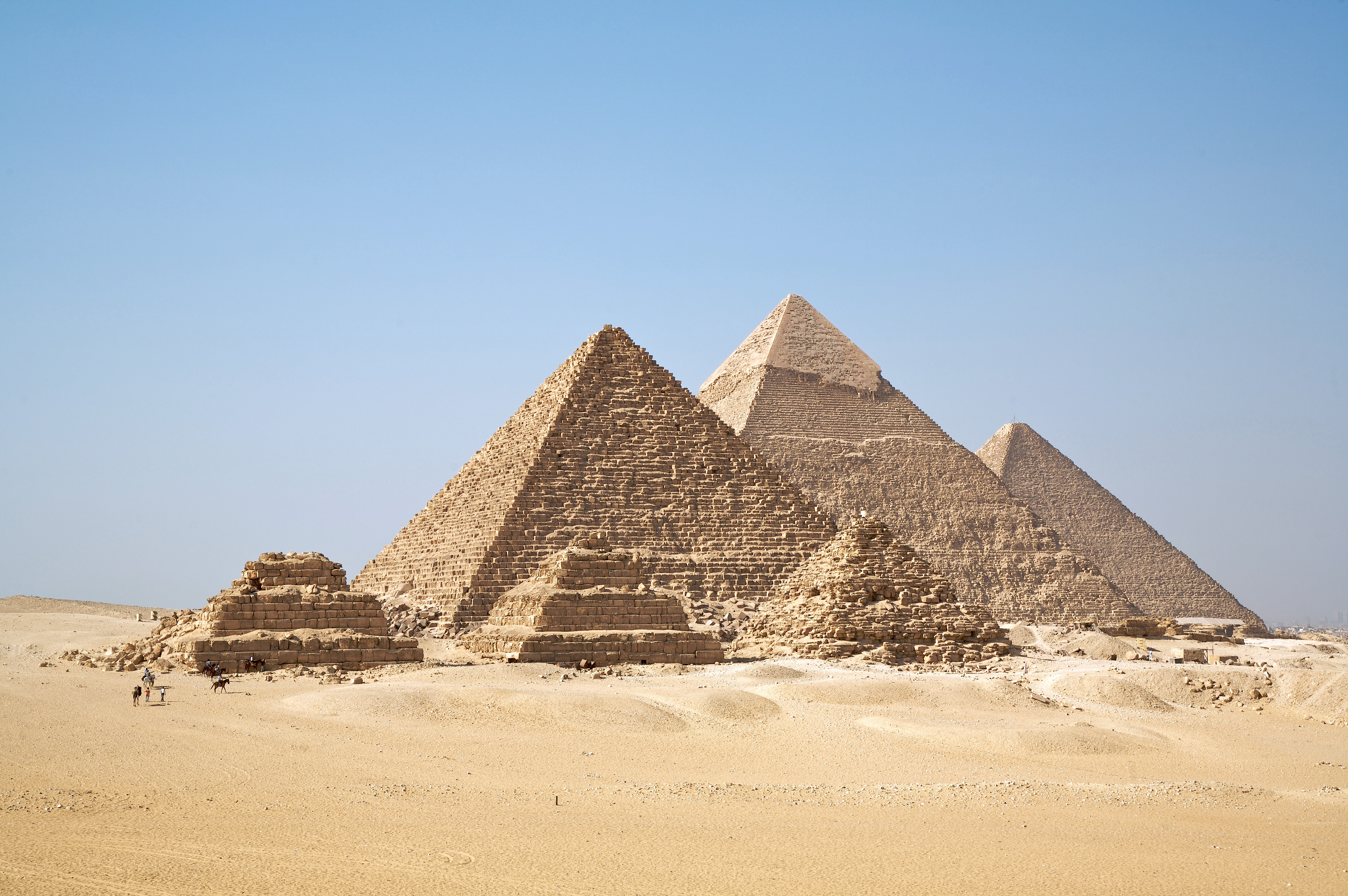
I enter the time-travelling machine, and, again, with a blink of an eye, I find myself opening the heavy door. A smile spreads across my face, as I observe where the machine has taken me this time. The magnificent Ancient Egyptian pyramids are towering above me, blocking the hot sun. I was so intrigued by them, that I decide to enter the pyramids, and hopefully see one of the wrapped up mummies. I examined the outside of the pyramid, going around, pressing every other rock, in an attempt to find the door. Suddenly I start falling forwards, and I see a narrow hallway in front of me. I rush in, expecting for the door to close, just like it does in movies. To my obvious excitement, it stayed open. I follow the narrow hallway, and enter a room, where I saw a few people cutting up a body. I was disgusted, but as I look more closely, I see that they are actually taking out body parts from the dead pharaoh and putting them in jars. Once they were done, they washed the body, and wrapped in some sort of white cloth. Afraid that the Ancient Egyptian doctors might see me, I rush back outside, onto the boiling sand. I walk, and walk, thinking that Egypt is not as interesting as I anticipated, when I see the Nile in the distance. I run towards it, and see one of the first sail boats float along it. I remember how I learnt that Ancient Egypt relied on the Nile for everything. Egyptians needed the Nile for agriculture, and for growing crops. Egyptians also relied on the floods of the Nile to nourish their crops, through irrigation systems. The Nile was also important for the development of Egyptan culture, as Ancient Egyptians connected many gods to the river Nile. As I observe the Nile's banks, as well as the Sahara in great distance, I realize that it is time for me to go. I run back to the machine, and off I was, to another period in human history.
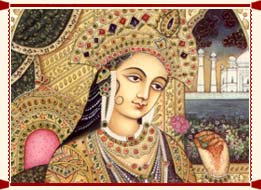
Next, I am going to Ancient India. The machine stops, and as I step out, I see that I have landed in the morthern part of Ancient India, near the river Ganges. From what I have learnt I know that in the west is the Thar desert, to the north are the great Himalayas, to the south is the Deccan Plateau, and to the east is the Bay of Bengal. As I start walking along the Ganges, I see a person cleaning up the river's banks. Immediately, I know that this is one of the harijans, or the untouchables. I lookd down, feeling sorry for the porr man. In Ancient India, the caste system was very strict. On the top were the brahmin, or Hindu priests. Then come the Kshatrya, or the government officials, including warriors and nobles. Next come the Vsatrya, and this caste consists of merchants, artisans, etc. On the bottom are Sudra, or the laborers and slaves. The Harijans, or the untouchables are the people who are so low that they do not even belong to a caste. They do all the work that Hindus cannot, such as cleaning the sewe systems, or cleaning up the banks of the Ganges. The further down I walk, I see people on boats, throwing ash into the Ganges. I get shudders, thinking that those ashes are actually a burned person, who was cremated. For a second I feel sorry for the person's family, but then i remember in the Hindu process of reincarnation. Hindus believe that once a person dies, their soul will be reborn again. If the person had a good karma, they will be reborn into a higher caste, but if their karma was bad, they will be reborn into a lower caste, or even in an animal. But, if the person had an almost perfect life, where they prayed a lot, and where they became an ascetic at the end of their life, their soul could be united with brahman. I walk further down the Ganges, and see a majestic Buddhist temple, with Buddhist monks meditating in front of the gates. I am guessing that they are trying to reach nirvana, or eternal peace in Buddhism. Suddenly, rains tarts pouring down! Oh, no! It is monsoon season! I run back to the time-travelling machine, thinking that it is time to go back to 2011.

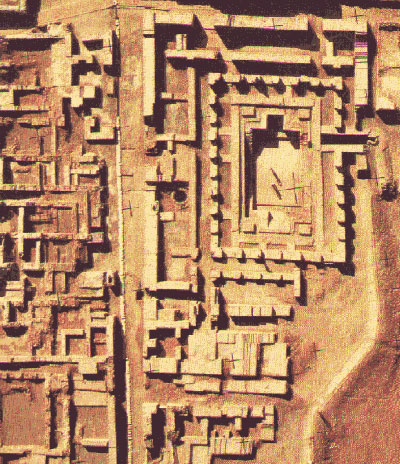
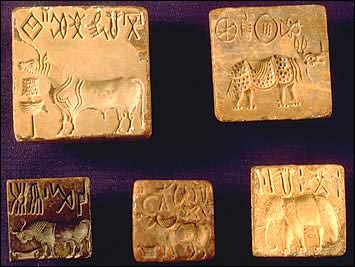
Before I go back home, I feel that there is something that I should do. I decide that I want to go on an archaeological dig, and experience that, as well. I decide that I would like to go on an archaeological dig to Mohenjo Daro, which is a city in Ancient India, that is located in present day Pakistan. Once I get there, I start excavating right away. First, I draw a grid of the whole excavation site, and then I start digging. on the first layer, I find some kitchen midden, so jsut rocks, dry mud, and other things, that I put into a seperate bag, regarding them as unimportant. Then, I found a solid rock, that wouldn't move. As I excavated around it, I realize that I have recovered a house! The house was made out of baked bricks. Then, I started excavating deeper and deeper, until I found something that really caught my attention. It was a small figurine, that was made out of wood, which I put into a small bag, which other archaeologists could later give to scientists, for radiocarbon dating. I also recovered some trading golden coins, which I put into a bag, so they could be examined, and then given to a museum, or used in other educational purposes. I started feeling tired, so I decided that it was time for me to go. I waves goodbye to Mohenjo Daro, and India, but also to the amazing travelling adventure, that I will remember during my whole life.

Before I even had a chance to properly close the door, the machine started whizzing quickly, before, again, came to a very sudden stop, that frightened me a bit. I step out, and immediately recognize the great river of Euphrates, in Sumer, Mesopotamia. Before me lies the first human civilization ever. Hunter-gatherers are long gone, and before me I see the signs of first real homes, with crops planted along the dark-blue Euphrates. As I get closer, I see domesticated animals, including cattle, and sheep. From the domestication of animals, Sumerians could get milk, meat, wool and other products much easily then they could before. Along the Euphrates, I see a man pushing a wheel-barrow, filled with wheat and barley. The Sumerians were the people who invented the wheel, and with the wheel came the wheel-barrow, which enabled humans to transport their goods in a faster, more efficient way. I decide to follow the young trader to the market. When he came, he placed the wheel-barrow down, in a shade of a tree. The crowd was very big, people coming to trade their goods for something else they needed, and traders and merchants keeping records of what they sold in a bhula. I look down, and on the dry mud I see a small clay pot, and I decide to trade it for an interesting artifact from Sumer. I approach one of the merchants, and show him the pot. He nods his head, and hands me a small figurine of a girl dancing, made out of stone. Realizing that I do not really have a choice, I take the small figurine in my hands. I decide that I should be heading back to my time-travelling machine, but on the way, I see an old man playing a wooden, very crude flute. My mind immediately thinks about the specialization of labour. With the domestication of animals, and the settlement of humans, not everybody needed to farm, so some Sumerians started persuing other careers and jobs, in this case music. I sit down by the Euphrates, listen to the enchanting melody. As I glance up, and see the sun set, I rush back to my time-travelling machine, wondering where it might take me next.
I enter the time-travelling machine, and, again, with a blink of an eye, I find myself opening the heavy door. A smile spreads across my face, as I observe where the machine has taken me this time. The magnificent Ancient Egyptian pyramids are towering above me, blocking the hot sun. I was so intrigued by them, that I decide to enter the pyramids, and hopefully see one of the wrapped up mummies. I examined the outside of the pyramid, going around, pressing every other rock, in an attempt to find the door. Suddenly I start falling forwards, and I see a narrow hallway in front of me. I rush in, expecting for the door to close, just like it does in movies. To my obvious excitement, it stayed open. I follow the narrow hallway, and enter a room, where I saw a few people cutting up a body. I was disgusted, but as I look more closely, I see that they are actually taking out body parts from the dead pharaoh and putting them in jars. Once they were done, they washed the body, and wrapped in some sort of white cloth. Afraid that the Ancient Egyptian doctors might see me, I rush back outside, onto the boiling sand. I walk, and walk, thinking that Egypt is not as interesting as I anticipated, when I see the Nile in the distance. I run towards it, and see one of the first sail boats float along it. I remember how I learnt that Ancient Egypt relied on the Nile for everything. Egyptians needed the Nile for agriculture, and for growing crops. Egyptians also relied on the floods of the Nile to nourish their crops, through irrigation systems. The Nile was also important for the development of Egyptan culture, as Ancient Egyptians connected many gods to the river Nile. As I observe the Nile's banks, as well as the Sahara in great distance, I realize that it is time for me to go. I run back to the machine, and off I was, to another period in human history.
Next, I am going to Ancient India. The machine stops, and as I step out, I see that I have landed in the morthern part of Ancient India, near the river Ganges. From what I have learnt I know that in the west is the Thar desert, to the north are the great Himalayas, to the south is the Deccan Plateau, and to the east is the Bay of Bengal. As I start walking along the Ganges, I see a person cleaning up the river's banks. Immediately, I know that this is one of the harijans, or the untouchables. I lookd down, feeling sorry for the porr man. In Ancient India, the caste system was very strict. On the top were the brahmin, or Hindu priests. Then come the Kshatrya, or the government officials, including warriors and nobles. Next come the Vsatrya, and this caste consists of merchants, artisans, etc. On the bottom are Sudra, or the laborers and slaves. The Harijans, or the untouchables are the people who are so low that they do not even belong to a caste. They do all the work that Hindus cannot, such as cleaning the sewe systems, or cleaning up the banks of the Ganges. The further down I walk, I see people on boats, throwing ash into the Ganges. I get shudders, thinking that those ashes are actually a burned person, who was cremated. For a second I feel sorry for the person's family, but then i remember in the Hindu process of reincarnation. Hindus believe that once a person dies, their soul will be reborn again. If the person had a good karma, they will be reborn into a higher caste, but if their karma was bad, they will be reborn into a lower caste, or even in an animal. But, if the person had an almost perfect life, where they prayed a lot, and where they became an ascetic at the end of their life, their soul could be united with brahman. I walk further down the Ganges, and see a majestic Buddhist temple, with Buddhist monks meditating in front of the gates. I am guessing that they are trying to reach nirvana, or eternal peace in Buddhism. Suddenly, rains tarts pouring down! Oh, no! It is monsoon season! I run back to the time-travelling machine, thinking that it is time to go back to 2011.
Before I go back home, I feel that there is something that I should do. I decide that I want to go on an archaeological dig, and experience that, as well. I decide that I would like to go on an archaeological dig to Mohenjo Daro, which is a city in Ancient India, that is located in present day Pakistan. Once I get there, I start excavating right away. First, I draw a grid of the whole excavation site, and then I start digging. on the first layer, I find some kitchen midden, so jsut rocks, dry mud, and other things, that I put into a seperate bag, regarding them as unimportant. Then, I found a solid rock, that wouldn't move. As I excavated around it, I realize that I have recovered a house! The house was made out of baked bricks. Then, I started excavating deeper and deeper, until I found something that really caught my attention. It was a small figurine, that was made out of wood, which I put into a small bag, which other archaeologists could later give to scientists, for radiocarbon dating. I also recovered some trading golden coins, which I put into a bag, so they could be examined, and then given to a museum, or used in other educational purposes. I started feeling tired, so I decided that it was time for me to go. I waves goodbye to Mohenjo Daro, and India, but also to the amazing travelling adventure, that I will remember during my whole life.